
WOMEN,WATER &RESILIENCE
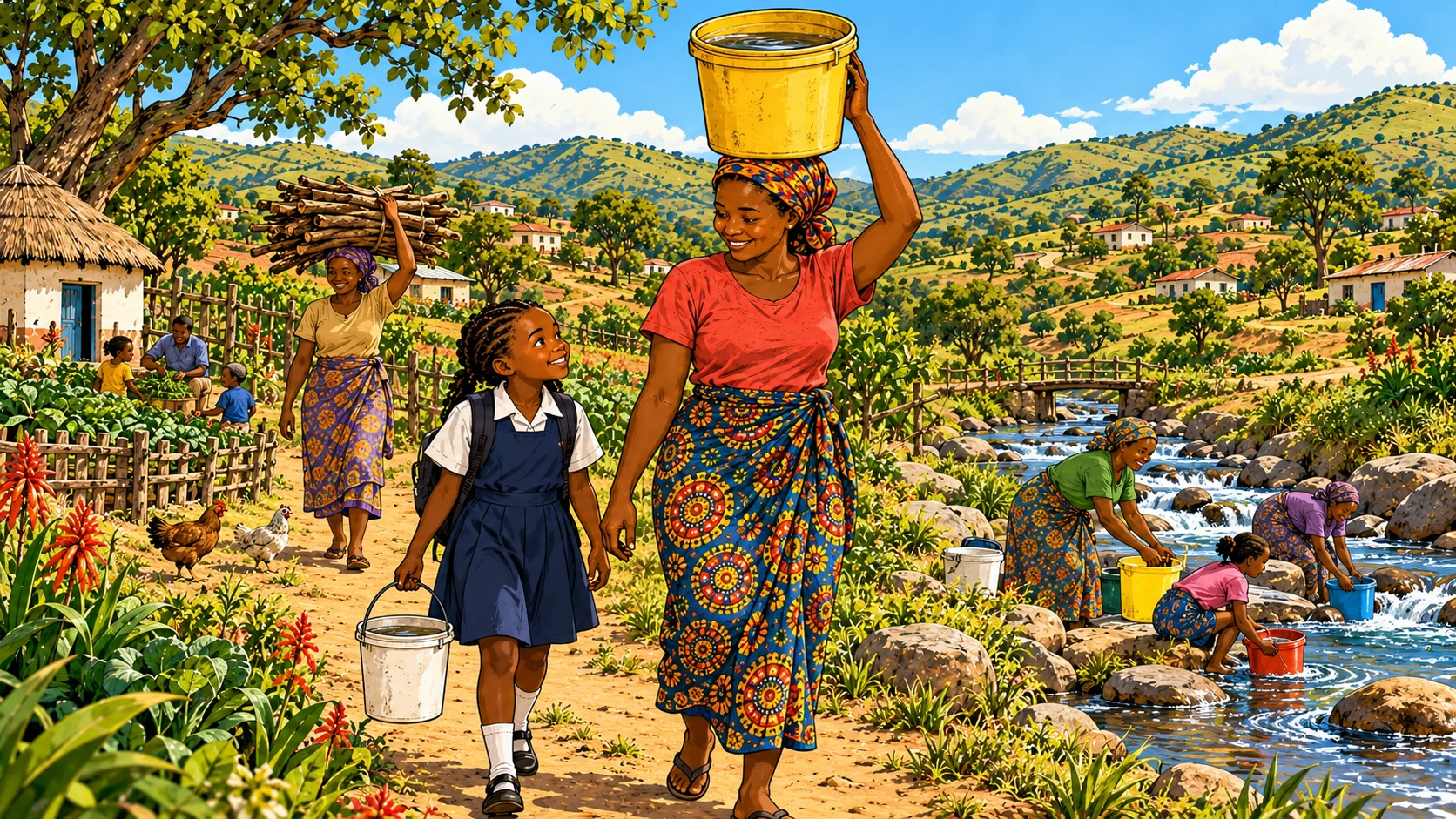
Safe water is not only a health issue. It is linked to dignity, child wellbeing, household stability, livelihoods and resilience.
When water is unsafe or unreliable, women and girls often carry the hidden cost through extra unpaid care, health risks, time pressure and fewer opportunities.
Explore the storyThe world
around her
Water insecurity sits within a wider reality of inequality and limited access to essential services.
Poverty, unemployment, weak infrastructure, climate stress and discriminatory social norms create overlapping pressures. Unsafe water makes many of these daily challenges harder.
Layered barriers
Water insecurity
Many households depend on untreated rivers, streams, dams or shared sources when safe piped water is unavailable.
The work
behind every day
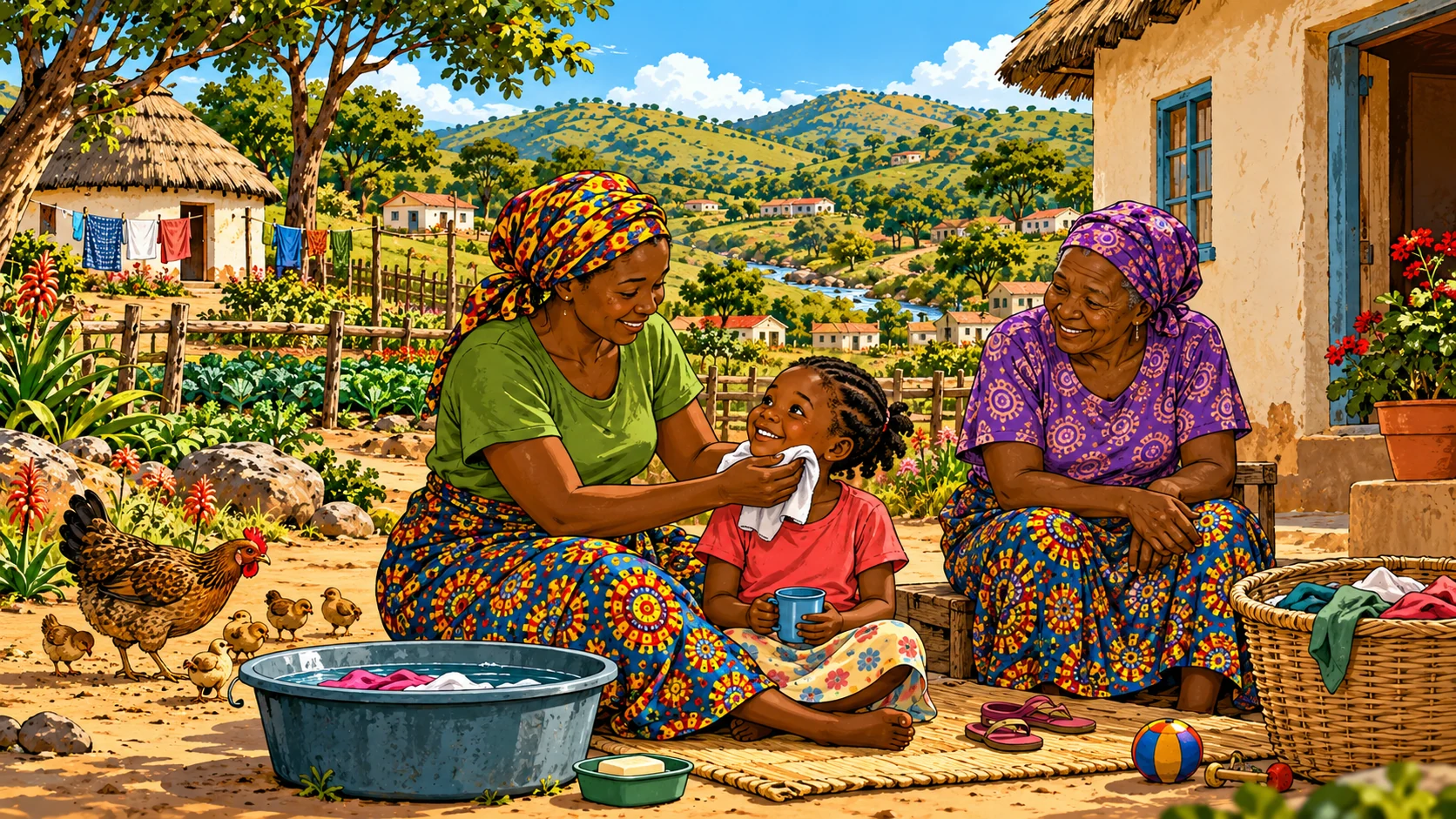
Child wellbeing. Food. Hygiene. Elderly care. School readiness. Household stability.
Women often carry much of the unpaid work that keeps rural households functioning. When water is unsafe, daily routines demand more time, effort and care.
The responsibilities women carry
Child wellbeing
Caring for children means supporting their health and daily routines, including extra time when illness keeps them home or requires clinic visits.
When water becomes
another burden
For women and girls already carrying much of the care burden, unsafe water creates further demands on time, health and household wellbeing.
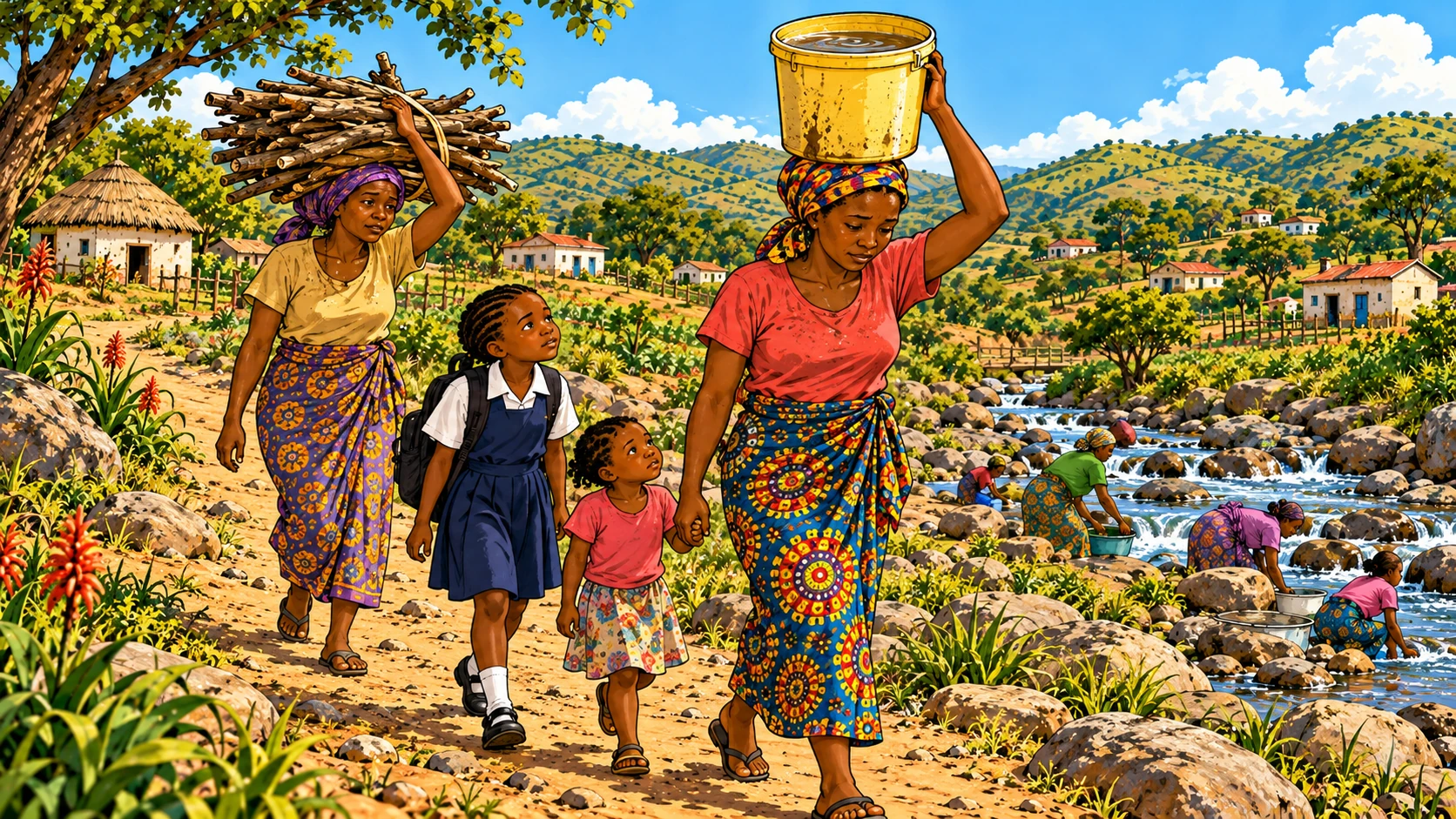
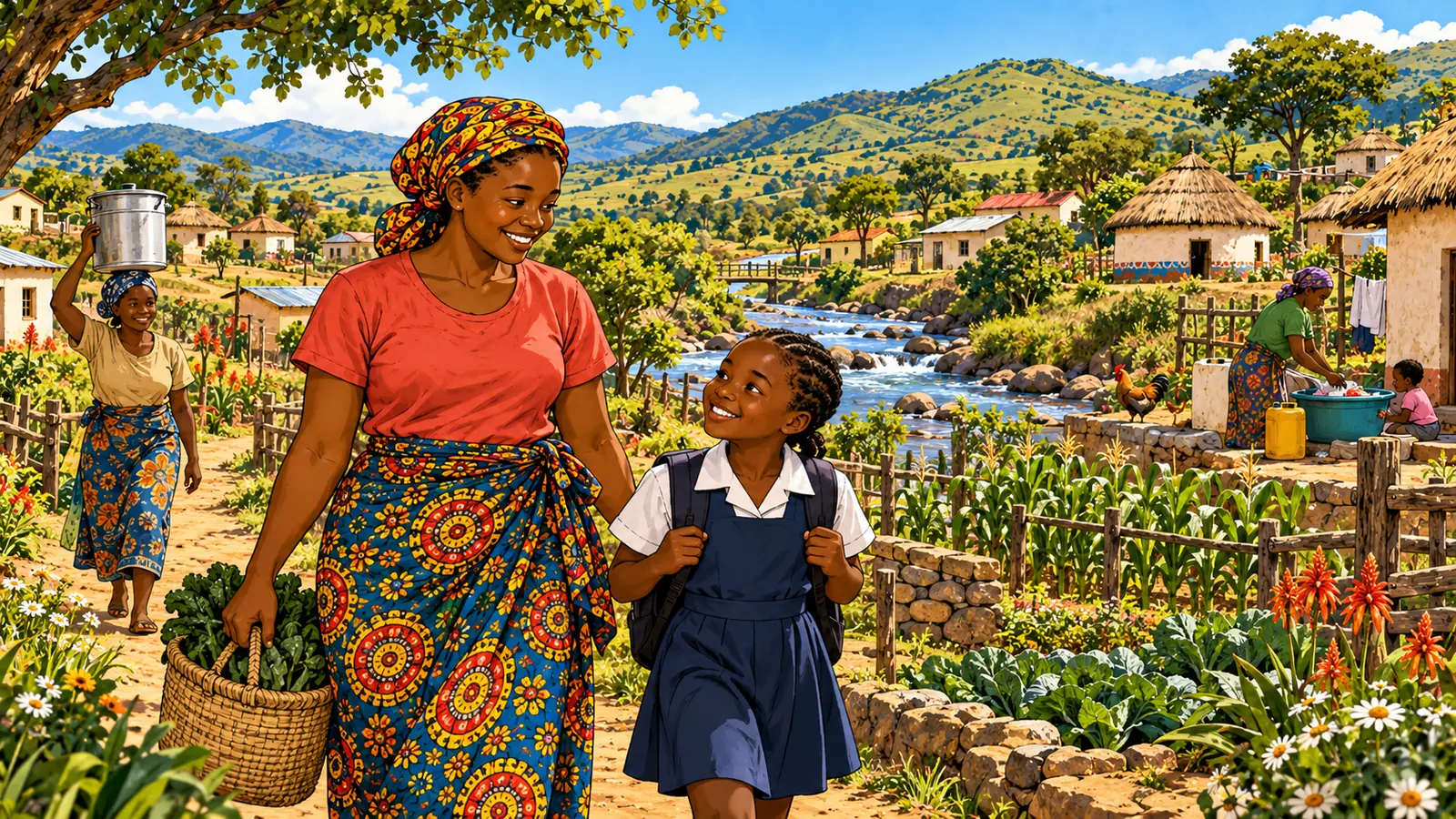 UNSAFE WATER BURDENSAFER WATER ROUTINES
Safe water. Local action.
Stronger communities.
More than a filter handover. PureFlow Amanzi combines safer household water with WASH education, local training, school and ECD engagement, household follow-up and ongoing aftercare.
One connected community response
01 · Safer drinking water
Gravity-fed, non-electric household filtration helps families treat drinking water locally, without chemical dosing.
What changes
for women?
Less daily pressure. Safer household routines. Practical knowledge, income opportunities and stronger roles for women in their communities.
What changes in daily life
Less time spent boiling and cooling drinking water and collecting extra firewood where boiling was routine. Safer water may also ease the time women spend caring for children with water-related illness or travelling to clinics. Where families travelled farther specifically for safer water, local treatment can reduce those additional journeys.
The work on the ground
From household visits and WASH demonstrations to local training and aftercare, the programme works alongside rural communities.
See PureFlow Amanzi in action
iThemba Kuluntu works with families, caregivers, educators and local teams to expand safer water access across rural communities in the Eastern Cape and KwaZulu-Natal.
Household onboarding, WASH education, school and ECD support, follow-up and local participation are all part of the delivery model.
Programme reach
Programme reach · 2026